Where the money actually goes on a Haywood County driveway
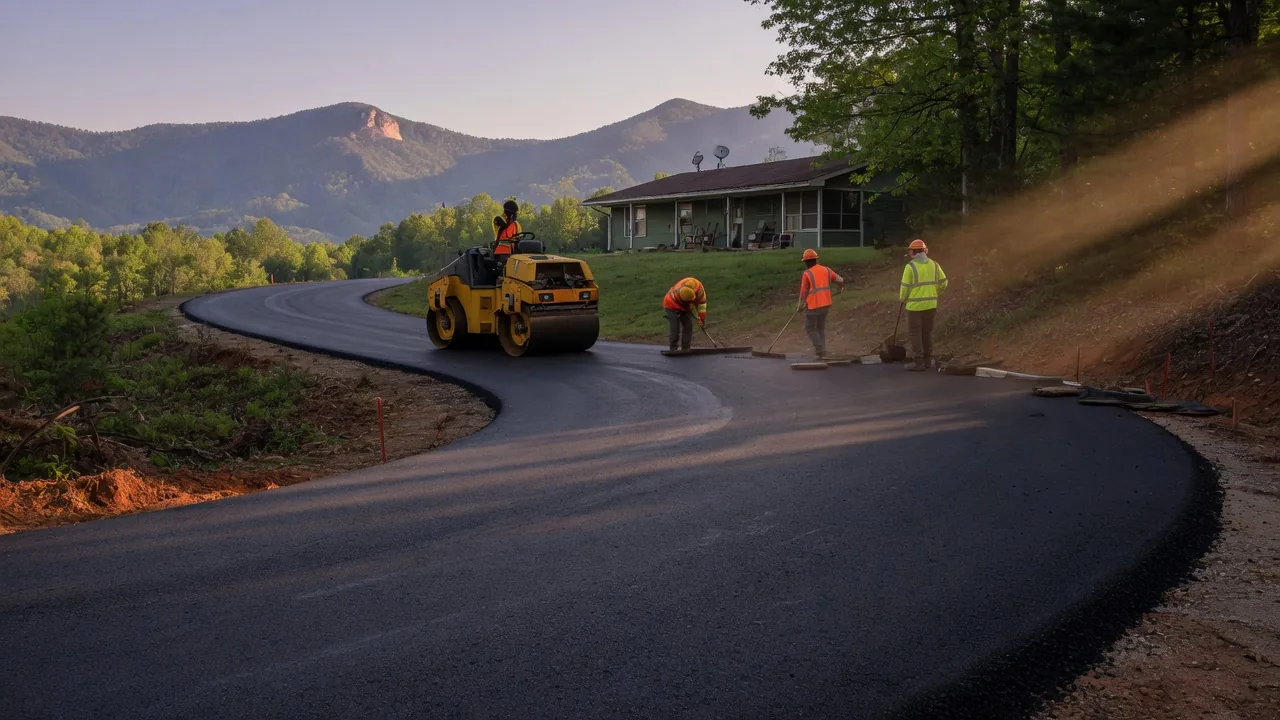
A sealcoat quote is not one number; it is four or five line items stacked together, and in Maggie Valley those items behave differently than they do in flatland towns. A drive climbing off Soco Road or a steep gravel-to-asphalt pull in the valleys takes more squeegee time, more material control, and often a second pass, because sealer runs on a grade. Add the annual freeze-thaw cycle that works every seam open, and the prep line item grows before a drop of sealer is applied.
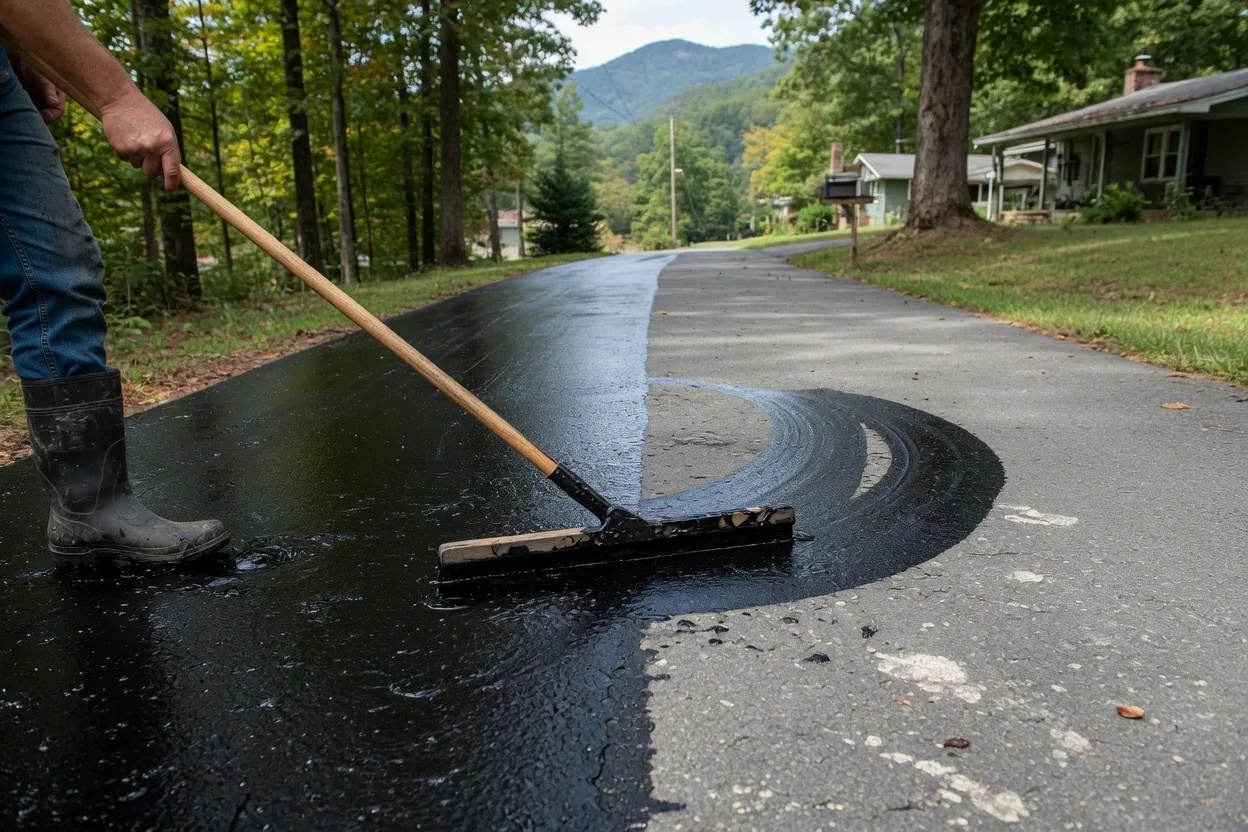
The rough shape of it: cleaning and prep usually carries the largest share on neglected drives, crack filling is priced per linear foot, edge trimming and hand-work near garage aprons and retaining walls add labor, and the sealer itself is priced by the square foot with material grade affecting the rate. Understanding which of those lines is heavy on your property is the whole negotiation. If you own a plain, flat, recently paved drive, you are buying almost pure sealer. If you own a twenty-year-old mountain drive with alligator cracking, you are mostly buying preparation.
Scope versus price range on a typical Maggie Valley property
Ranges below are what residential and small commercial work in this county generally fall into. They are not quotes; they are the bands a fair quote should fall inside once someone has actually walked the drive.
| Scope | Typical range | What moves it |
|---|---|---|
| Basic coat on a sound drive (one car width, short) | $0.18-$0.24 per sq ft | Area, access, whether the surface is already sealed |
| Coat plus crack fill and edge work | $0.22-$0.30 per sq ft | Linear feet of cracks, edge length, amount of hand-work |
| Heavy prep: degraded surface, oil spots, prior failed sealer | $0.30-$0.45 per sq ft | Cleaning passes, patching, primer over old coating |
| Steep or winding drive with limited turnaround | Quoted individually | Grade, equipment access, material staging |
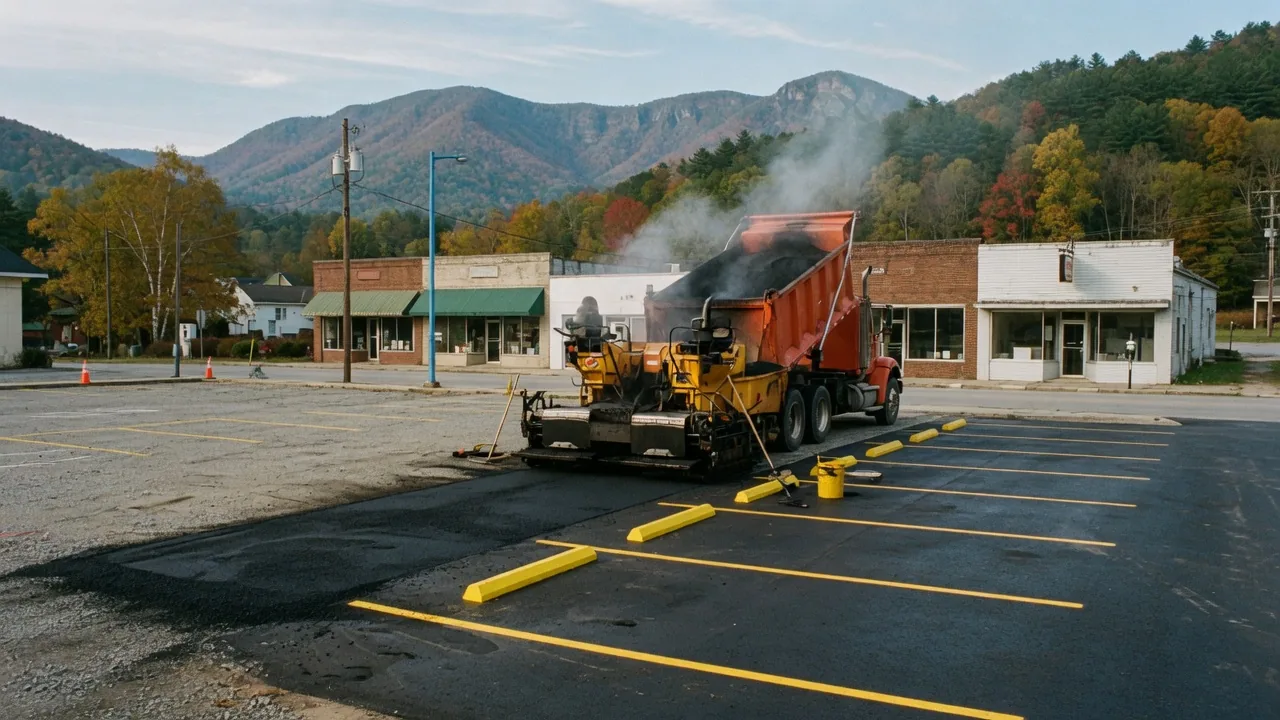
| Commercial lot or shared private road | Quoted individually | Square footage, striping, traffic phasing |
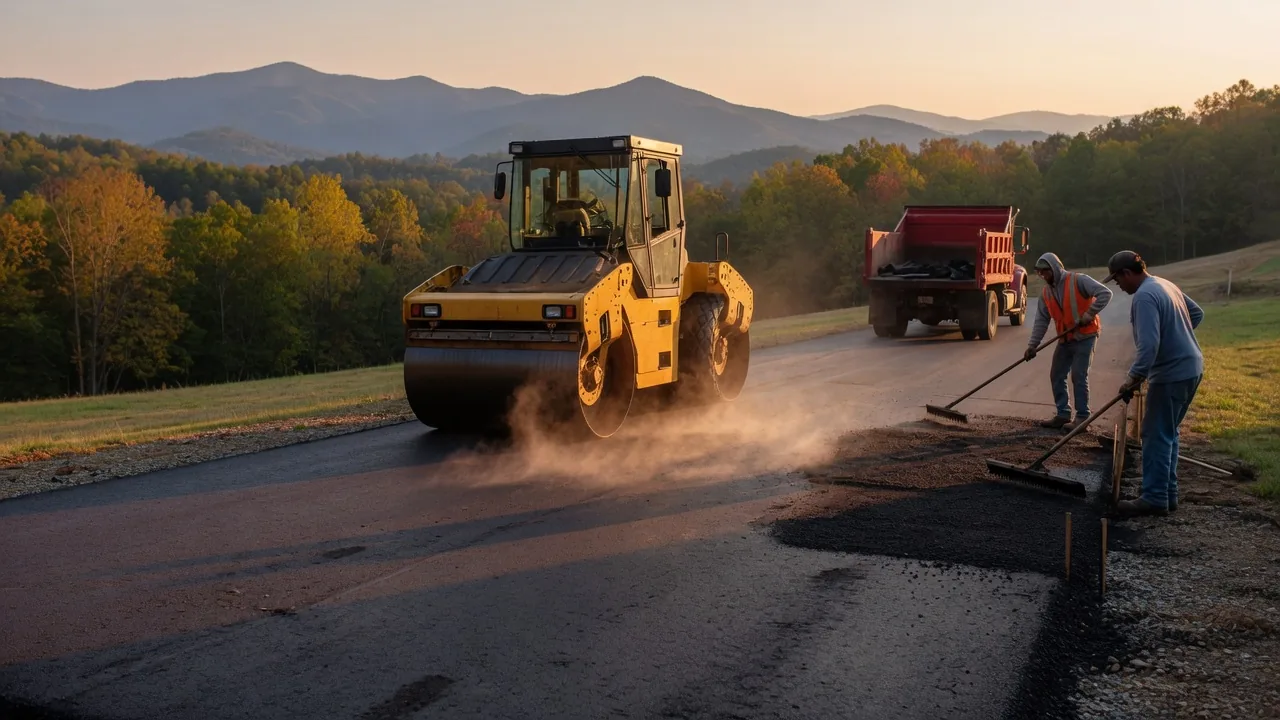
The Haywood County asphalt cost breakdown covers new paving and repair side by side, which is worth reading if your drive is past the point where sealing alone makes sense.
Why the mountain climate changes the recommendation, not just the price
Haywood County sits high enough that overnight freezes arrive earlier and leave later than they do twenty miles east, and the federal record backs up how much water moves through here: 19 declared events touch this county across 1973-2026, storm and flood family for the most part. Water is the enemy of an asphalt drive, and a Maggie Valley driveway gets water from above and, on cut slopes, from the hillside itself. Sealing slows oxidation and keeps surface water from working into the aggregate, but no sealer fixes a drainage problem. If runoff crosses your drive or the base is saturated, spend the money on grading and culvert work first, then seal.
The National Weather Service forecast office for this region (https://www.weather.gov) is the honest place to check before scheduling: sealer needs dry surface and a stretch of curing weather, and squeezing an application in before a cold front is how people end up with a coating that fails by spring.
What separates a real quote from a fast one
On a walk-through a good estimator measures the drive, probes a few cracks, notes slope and drainage, and asks when it was last sealed. If nobody measures, you are getting a guess. Material quality matters too: some contractors cut sealer with water or use a low-solids mix because it spreads faster, which looks fine in week one and wears thin by year two. Ask what product and what solids content. On any job that also touches the roadway, the contractor needs the right access permission from NCDOT (https://www.ncdot.gov/), and driveway permit applications for state-maintained roads go through https://connect.ncdot.gov/. A crew that already knows that process is a small but real sign they have done this in Haywood County before.
If your project is big enough to include paving, not just sealing, North Carolina licensing thresholds apply and can be checked through the NC Licensing Board for General Contractors (https://www.nclbgc.org). The sealcoating overview walks through the sequence from cleaning to cure, and the Maggie Valley paving contractors page is where to start if you are comparing full-service crews.
When sealing is the wrong purchase
There is a point where sealcoating becomes cosmetic. A drive with structural alligator cracking, sunken sections, or failed base needs patching or replacement, and coating over it hides the problem for one season and makes the eventual repair more expensive. On those properties the honest answer is to fix the base and surface, then seal the new asphalt after it cures. A contractor who tells you that when it costs them the sealcoat job is the one to keep. Conversely, a sound drive on a mountain slope is exactly the property where sealing on a sensible cycle pays for itself, because it is the freeze-thaw cycle, not traffic, that ages asphalt fastest here.